Heres Why 1950s Furniture Was SO Much Better Than Modern Furniture
Walk into a home with original 1950s furniture, and you will notice something right away. The pieces feel solid, balanced, and built with intention. Drawers glide smoothly even after decades of use, and chairs remain stable without constant tightening or repairs. That kind of durability did not happen by chance.
Furniture from that era followed a different mindset. Buyers expected pieces to last for years, not just until the next trend arrived. Makers responded by focusing on quality, not speed. This approach shaped everything, from the wood they selected to the way they joined each part together.The materials were a key reason these pieces lasted so long.
Craftsmen chose old-growth hardwoods like teak, oak, and rosewood. These woods were dense, stable, and naturally resistant to wear. They handled fluctuations in temperature and humidity without cracking or warping, making them reliable over time.
Construction methods also played a role. Skilled workers used joints such as mortise-and-tenon and dovetail to connect parts. These created tight, interlocking structures that did not depend on glue alone. Even after years of strain, the joints remained strong because they were designed to bear weight properly.
Craftsmanship Was the Gold Standard
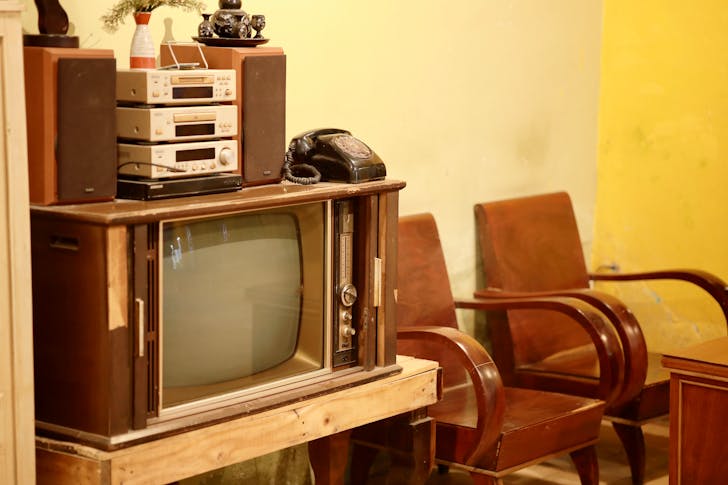
Nguy / Pexels / Furniture makers in the 1950s viewed their work as a craft, often spending years learning woodworking before producing finished pieces.
That training was visible in the details, from smooth edges to well-aligned components. Nothing appeared rushed or loosely assembled.
Each piece demanded time and precision. Workers measured, cut, and joined materials carefully. Mistakes meant starting again, not hiding flaws. This level of care produced furniture that felt sturdy from the start and stayed that way for years.
The design philosophy also leaned toward longevity. Clean lines and simple forms made pieces less likely to go out of style. Owners did not feel the need to replace them just because trends shifted. A table or cabinet from that era could fit into different interiors without looking outdated.
This long-term thinking extended to repairs. If something wore down, it could often be fixed. Solid wood allowed sanding, refinishing, and reassembly without losing strength. That repairability added years to the life of each item, turning furniture into something that evolved with the home.
Modern Furniture Took a Different Path
Today’s furniture industry follows a very different model. Many companies focus on reducing costs and speeding up production. This shift changed the way furniture gets made and how long it lasts. The goal often centers on appearance and price, not durability.
Manufacturers now rely heavily on composite materials like particleboard and MDF. These options cost less and weigh less, which helps with shipping and mass production. However, they do not offer the same strength as solid wood. Over time, they can sag, chip, or break under regular use.
Assembly methods have also changed. Instead of traditional joints, many pieces use staples, screws, and glue. These connections hold up for a while but weaken with repeated stress. Once they loosen, the structure becomes unstable, and repairs become difficult or impossible.
The Rise of “Fast Furniture”
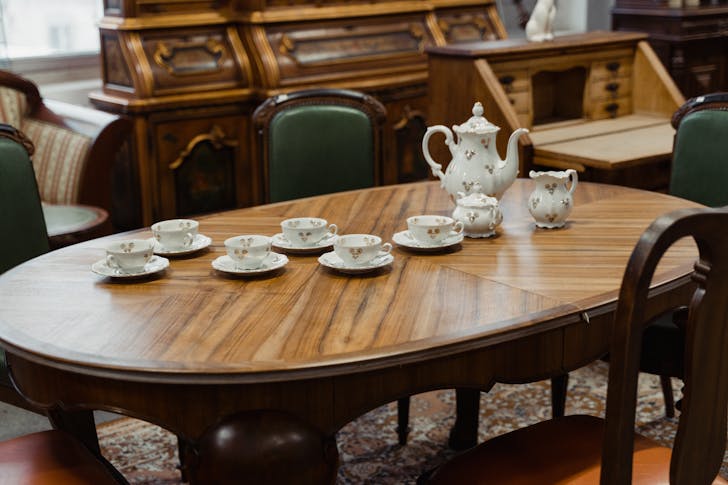
Tima / Pexels / The biggest change comes from the way furniture gets sold today. Many brands treat it like fashion, something that should be replaced often.
Styles change quickly, and new collections appear every season. This approach encourages frequent buying rather than long-term ownership.
Flat-pack designs make this system work. Furniture ships in compact boxes and gets assembled at home. This reduces shipping costs and makes products more accessible. At the same time, it limits how strong and durable the final piece can be.
Planned obsolescence also plays a role. Some products are not designed to last beyond a certain period. A couch may look great for a few years, then start to sag or break down. By that point, replacing it feels easier than fixing it.