Bethenny Frankel’s latest beauty demo took a shocking turn when a tool mishap left her visibly bleeding on camera. From what these devices actually do to how to avoid turning “self-care” into “urgent care,” here’s a calm, practical breakdown—because no one wants their skincare routine to require paper towels and panic.
When a Beauty Demo Turns Into a Bloodbath
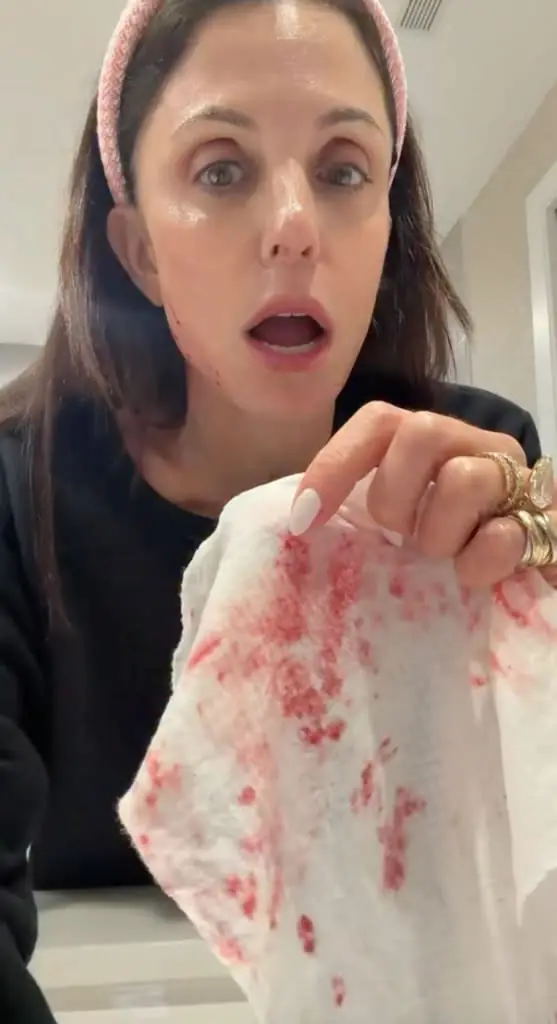
The clip goes from casual beauty chat to “wait, is that blood?” in seconds.
In the video, Bethenny appears to be using a facial beauty tool when a slip (or a little too much pressure) results in a visible cut and bleeding. It’s startling, but it’s also a reminder that many at-home devices are designed to affect the skin’s surface—sometimes aggressively. Even small facial cuts can look dramatic because the face is highly vascular, meaning it bleeds easily. If you’re watching, you’re not alone in wincing: this is exactly why technique, lighting, and going slowly matter.
What These At-Home Tools Are Actually Doing to Your Skin
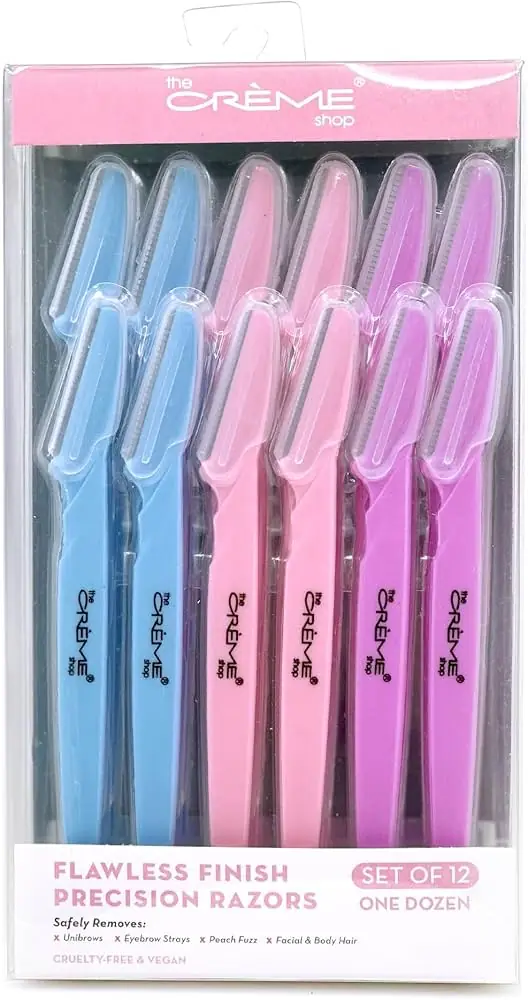
The “instant glow” promise often comes from controlled, tiny amounts of irritation.
Many popular gadgets—like dermaplaning razors, micro-needling stamps, or exfoliating blades—work by removing dead skin or creating micro-injuries that can prompt fresh-looking turnover. That can be fine when done properly, but it also means you’re dealing with tools that can absolutely nick or scrape you if the angle is off. Add slick skincare products, a rushed hand, or uneven pressure, and you’ve got a recipe for a cut. The key takeaway: “at-home” doesn’t always mean “risk-free,” it just means “DIY.”
Why Facial Cuts Bleed So Much (Even When They’re Small)
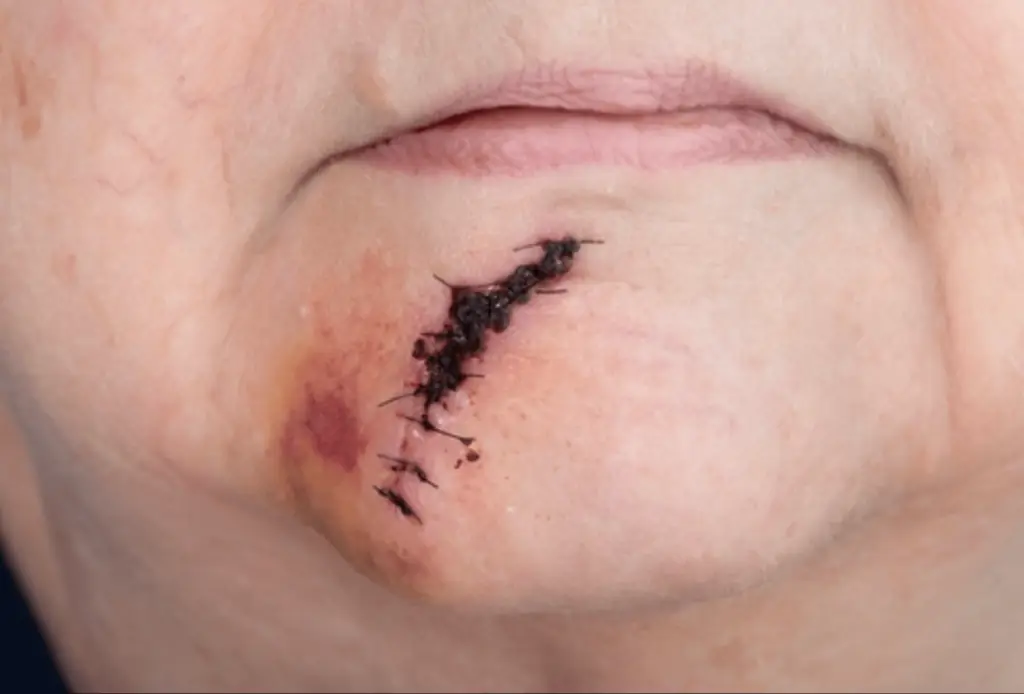
The face loves to be dramatic because it has a generous blood supply.
A tiny slice on your cheek can look like a horror-movie cameo, and there’s a practical reason: facial skin has lots of blood vessels close to the surface. That’s great for healing, but it also means cuts can bleed quickly and visibly. If something like this happens, basic first aid matters—steady pressure with clean gauze or a clean cloth, patience, and a pause before you go back in with any tool. If bleeding won’t stop, the cut is gaping, or it’s near the eye, it’s worth getting medical advice.
The Most Common Mistakes That Turn Skincare Into an Accident
Most mishaps aren’t about “bad products”—they’re about setup and speed.
If you want to avoid starring in your own bloody tutorial, watch out for a few classic pitfalls: using a sharp tool in poor lighting, applying too much pressure, going over the same area repeatedly, or trying to do detailed work while distracted. Another big one is using devices on irritated skin—think after a strong retinol night, a peel, or sunburn—when your barrier is already stressed. A calmer approach helps: clean hands, clean tools, slow strokes, and one pass at a time. Your skin isn’t a countertop; treat it like tissue.
How to Recover After a Nick (Without Making It Worse)
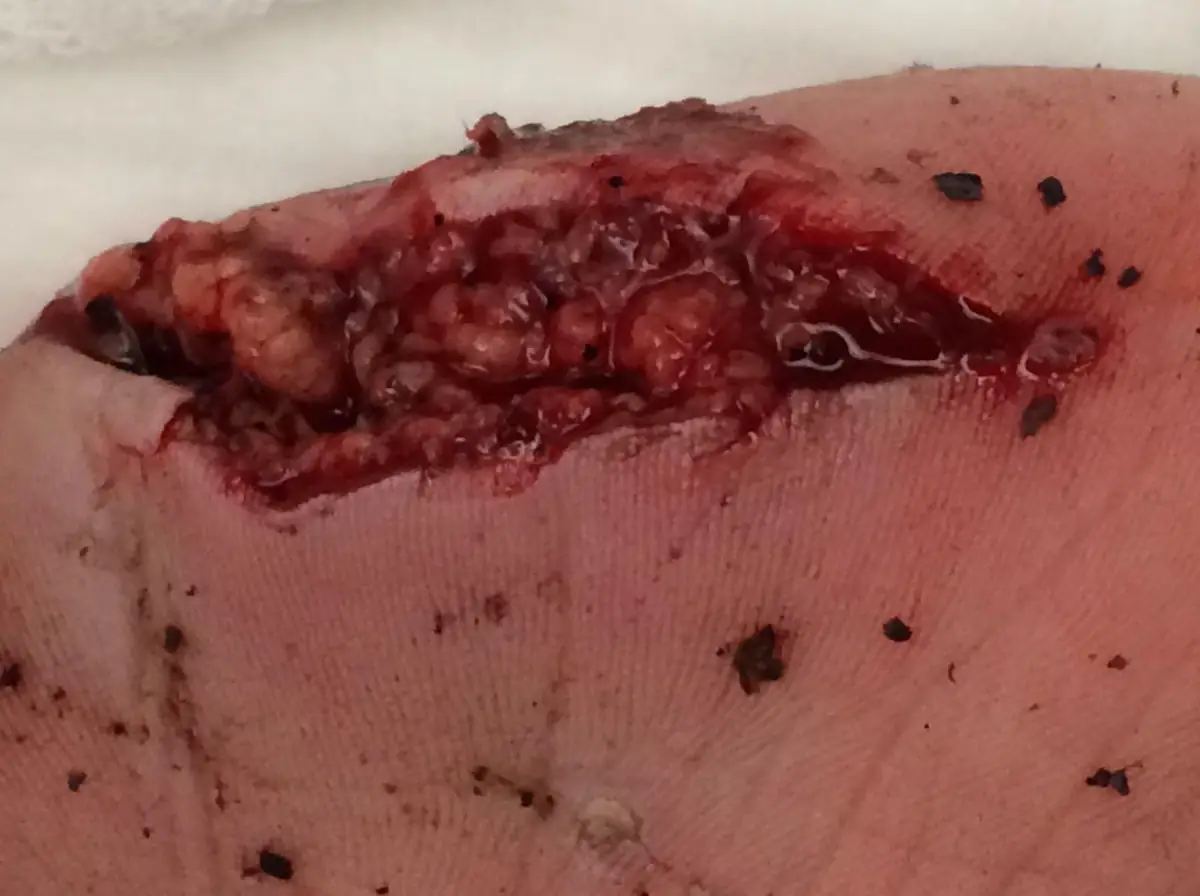
The glow can wait—your first job is keeping the wound clean and calm.
After a small cut, the goal is simple: stop the bleeding, reduce infection risk, and avoid extra irritation. Once bleeding is controlled, gently cleanse around the area with mild soap and water, then consider a thin layer of plain petrolatum to keep it moist (moist wounds often heal better than dry, scabbed ones). Skip harsh actives like retinoids, acids, or scrubs until it’s closed. And don’t forget sunscreen once healing starts—fresh skin can pigment easily, and nobody wants a “souvenir spot” from a beauty-tool mishap.