Social media users are once again questioning how much of what they see online is actually real. This time, Australian influencer Isabelle Mathers has found herself at the center of a viral controversy after followers spotted what many believe was a clear photo editing mistake in a promotional Instagram post.
The incident quickly gained traction across social platforms, with critics calling out the apparent alteration and raising concerns about the impact edited images have on body image. What began as a routine brand collaboration soon turned into a wider conversation about authenticity, influencer culture, and unrealistic beauty standards.
The Chair Gave Away the Editing Trick
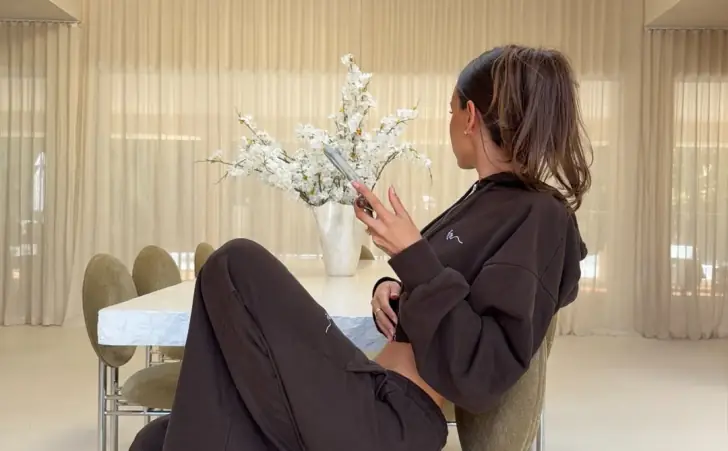
The images were part of a campaign for activewear label Crop Shop Boutique and showed her posing in chocolate brown athleisure wear.
At first glance, the photos appeared completely normal. However, eagle-eyed followers noticed something strange in one particular image. A dining chair visible in the background appeared noticeably warped. Its legs looked bent and distorted, creating a visual clue that suggested the image may have been digitally altered.
View this post on Instagram A post shared by Isabelle Mathers (@isabellemathersx)
Many users quickly concluded that the photo had been edited to flatten Mathers’ stomach or slim her waistline. The warped chair became the focal point of discussion, with screenshots spreading rapidly across Reddit, Instagram, and other social media platforms.
The editing mistake stood out because background objects often reveal manipulation that might otherwise go unnoticed. In this case, the chair appeared to bend unnaturally around the influencer’s body, making the alleged alteration difficult to ignore.
Netizens Say the Edit Sends the Wrong Message
The reaction online was swift and emotional. While some users mocked the apparent Photoshop fail, others focused on the deeper issue behind it. Many expressed disappointment that someone already considered fit and conventionally attractive would feel the need to alter her appearance.
One user shared a comment that resonated with thousands of readers. The person explained that they had looked at the images earlier in the day and felt insecure about their own stomach because it did not appear as flat as Mathers’ did in the photo.
The same commenter argued that subtle body edits can be more harmful than obvious filters. When viewers cannot easily spot manipulation, they may compare themselves to an unrealistic standard without realizing the image has been altered.
That concern became a recurring theme throughout the discussion. Critics argued that even minor tweaks contribute to unhealthy expectations, especially among younger audiences who spend hours consuming influencer content every day.
Many commenters pointed out that Mathers already has an athletic physique. For them, the alleged edit reinforced the idea that social media perfection often does not exist, even among people who seem closest to it.
The Bigger Problem with Influencer Culture

What once required professional software can now be done on a smartphone with a couple of taps.
The problem is that many of these changes are subtle. Unlike heavily filtered images, small adjustments often escape immediate detection. Viewers may assume they are looking at a natural photo when, in reality, the image has been digitally enhanced.
Experts and body positivity advocates have long warned about this issue. Constant exposure to edited content can influence how people see themselves. Over time, unrealistic images may shape expectations about weight, fitness, beauty, and self-worth.
The Mathers incident serves as another example of how quickly audiences can identify editing mistakes. It also shows that followers are becoming increasingly skeptical of the polished images that dominate social feeds.