How African Textile Designers Are Redefining Global Fashion
African textile designers are redefining global fashion by merging vibrant cultural traditions with modern design. Their work captures attention with bold patterns, striking colors, and intricate techniques that reflect the continent’s rich heritage.
Beyond aesthetics, these designers are influencing sustainable practices, storytelling in fashion, international collaborations, and local community development, creating a lasting impact on the industry.
Bold Patterns and Vibrant Colors
African textiles stand out for their lively patterns and bright hues, inspired by the continent’s diverse cultures. Techniques like wax printing, tie-dyeing, and hand-dyeing produce unique designs that blend tradition with contemporary style.
Nigerian designer Duro Olowu is a prime example, creating garments that balance modern fashion sensibilities with a deep cultural foundation.

Facebook | Saint Louis Fashion Fund | Vibrant African prints and techniques meet modern fashion in Duro Olowu’s culturally-rooted designs.
These patterns are more than decoration—they carry meaning. Geometric shapes, symbolic motifs, and color combinations often reflect history, social status, or local customs. The striking visuals make these textiles highly sought after in international fashion circles, offering designs that are instantly recognizable and culturally rich.
Sustainable Practices in Design
Sustainability is increasingly central to African textile design. Many designers source materials locally, minimize production waste, and adopt environmentally conscious methods. This focus not only supports eco-friendly fashion but also encourages responsible consumption globally.
Ethical production ensures fair wages for artisans while preserving traditional skills. Consumers looking for sustainability and authenticity are drawn to these pieces, which demonstrate that fashion can respect both culture and the environment.
Storytelling Through Fashion
African textiles often carry narratives that extend beyond aesthetics. Designers incorporate history, folklore, and personal experiences into their creations, giving each piece a unique story. This storytelling element allows wearers to connect with the garment on a deeper level.
Whether a print references ancestral traditions or a pattern reflects contemporary social commentary, the designs convey meaning that resonates worldwide. Fashion becomes a medium for cultural expression, creating garments that are both wearable and thought-provoking.
International Brands Collaborations
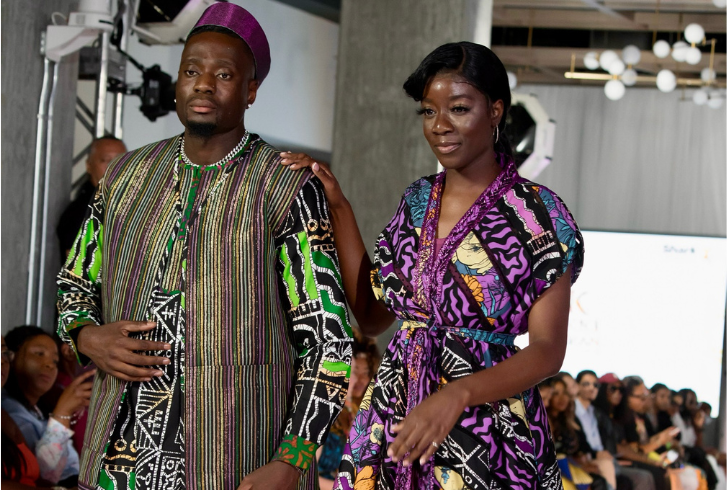
Instagram | derek_soulja | Global brand partnerships are propelling African textile designs onto the world stage.
African designers are increasingly partnering with global fashion brands to expand their reach. These collaborations showcase distinct textile designs on international stages and influence mainstream fashion trends.
Working with established brands allows designers to introduce cultural elements to a wider audience while retaining their creative identity. This interaction benefits both sides: global brands gain fresh perspectives, and African designers receive greater visibility and opportunities for growth.
Supporting Local Communities
Many African textile initiatives prioritize local artisanship and community support. Designers often partner with craftsmen to produce textiles, preserving traditional techniques while providing employment opportunities.
This approach strengthens local economies and ensures that cultural knowledge is passed down through generations. By creating jobs and supporting small-scale production, designers contribute to a sustainable fashion ecosystem that values heritage and skill.
African textile designers are not only influencing trends but redefining the role of fashion as a platform for culture, sustainability, and social impact. Their designs introduce bold visuals, meaningful storytelling, eco-conscious production, and global collaboration, leaving a lasting mark on the international fashion scene.
As global interest grows, these designers continue to bridge the gap between tradition and modernity, proving that textiles from Africa offer more than style—they carry identity, history, and purpose.