Are Ethical Fashion Brands Really Ethical or Just Greenwashing?
Sustainability has become a major focus in fashion, with many brands presenting themselves as ethical or eco-conscious. Labels often promote “planet-first promises” or “responsible collections” to appeal to environmentally aware shoppers. Yet, as consumers grow more discerning, questions arise: are these brands genuinely ethical, or are they using sustainability as a marketing strategy?
Understanding what ethical fashion truly entails and how transparency plays a role can help distinguish meaningful efforts from performative gestures.
Understanding Ethical Fashion
Ethical fashion is more than a label—it’s a framework that considers how clothing is produced, who is making it, and the impact of production on both people and the environment. True ethical practices cover three main areas:
Labor practices focus on fair wages, safe working conditions, and protecting workers’ rights. Environmental impact addresses resource use, pollution, and waste reduction. Supply chain accountability ensures transparency about where materials and garments come from.
A brand that prioritizes only one area while neglecting the others may demonstrate partial sustainability, but it cannot be considered fully ethical.
Challenges in Verifying Sustainability Claims
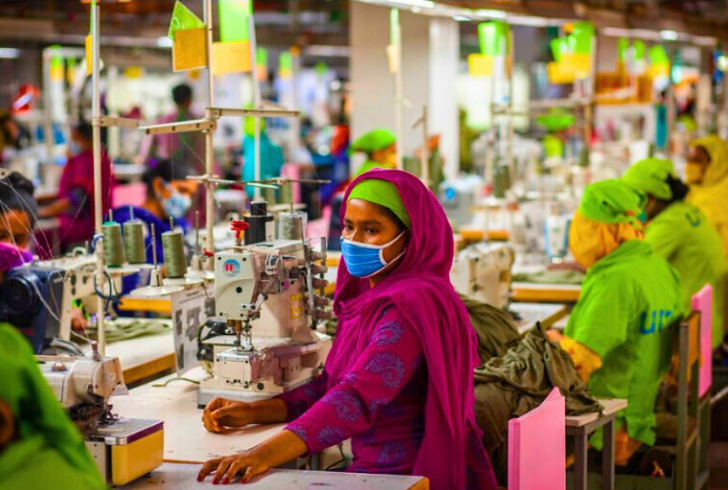
Instagram | sophiebenson | Ethical fashion is a framework balancing worker rights with environmental stewardship.
The global fashion supply chain is complex, often spanning multiple countries and subcontractors. This complexity makes it hard for consumers to verify whether sustainable claims are accurate. Several factors contribute to confusion:
1. Sustainability terminology is largely unregulated.
2. Brands often report progress without independent verification.
3. Marketing language may highlight intentions rather than measurable results.
Without clear and accessible data, shoppers are left interpreting vague claims. Fashion transparency becomes the critical tool for understanding the true impact of a brand.
Recognizing Performative Sustainability
Performative sustainability describes actions that create the appearance of ethical or environmental responsibility but deliver minimal real-world change. Brands may use these tactics to appear eco-conscious while the main operations remain unchanged.
Examples include launching limited “green” collections while overproduction continues, promoting recycled packaging without addressing broader environmental impact, or using storytelling and visuals instead of transparent reporting. While these measures are not entirely meaningless, they often distract from systemic issues within a brand’s operations.
Red Flags in Ethical Fashion Marketing
Not all sustainability claims are misleading, but certain patterns may indicate caution:
1. Vague labels such as “eco-friendly” or “sustainable” without specifics
2. Absence of data on carbon emissions, water usage, or labor practices
3. No disclosure of suppliers or factory locations
4. Emphasis on future goals rather than current performance
When sustainability claims lack transparency, it becomes difficult to separate genuine efforts from marketing tactics.
The Importance of Fashion Transparency
Transparency in fashion refers to the openness with which brands share information about operations, supply chains, and impact. While transparency does not guarantee perfection, it signals accountability.
Transparent brands disclose manufacturing locations, supplier names, wage policies, labor standards, and environmental metrics like carbon emissions or water usage. In contrast, brands that provide minimal information restrict consumers’ ability to make informed decisions.
Over time, transparency allows progress to be tracked and verified.
Are Sustainable Materials Enough?
Many brands promote organic cotton, recycled polyester, or plant-based fabrics. Material choice is important but addresses only part of the ethical equation. Critical issues remain, including worker conditions, overproduction, and transportation-related emissions.
A garment made from sustainable materials but produced under poor labor conditions still raises ethical concerns. Evaluating brands requires looking at the full picture rather than focusing solely on fabrics.
The Role of Certifications

Instagram| designdelightstudio2024 | Certification scope varies, with some labels targeting materials and others broader ethics.
Certifications can support sustainable claims, but their scope varies. Some labels focus narrowly on materials, while others consider broader social and environmental criteria.
When evaluating certifications, it is important to consider whether they are independently audited, what standards they assess, and whether the brand uses them as the sole indicator of sustainability. Certifications work best when combined with transparent reporting and verifiable practices.
Consumer Influence on Sustainability Messaging
Rising interest in sustainable fashion has shaped branding strategies. However, high demand can sometimes encourage superficial changes rather than systemic improvements.
Pressures contributing to performative sustainability include the demand for affordable “ethical” clothing, social media trends prioritizing aesthetics, and limited awareness of global supply chain realities. As consumers become more informed, brands face growing pressure to back claims with measurable action.
The growth of ethical fashion reflects changing consumer priorities, but it also underscores the need for scrutiny. True sustainability is backed by detailed reporting, third-party verification, and consistent transparency.
Understanding supply chains, labor practices, and environmental metrics allows consumers to distinguish meaningful action from performative gestures. Fashion transparency remains the most reliable indicator of genuine ethical commitment.