How Carolyn Bessette’s Wedding Dress Inspired the “Love Story” TV Series
Fashion history often shifts through quiet yet powerful moments. One such moment arrived in the mid-1990s when designer Narciso Rodriguez created a wedding dress for Carolyn Bessette-Kennedy. The design looked simple at first glance, yet its elegance reshaped modern bridal fashion.
Interest in that iconic dress has returned with the FX series “Love Story: John F. Kennedy Jr. and Carolyn Bessette.” The show revisits the couple’s relationship and the cultural attention they attracted. It also brings renewed focus to Rodriguez, the designer whose understated silk gown became one of the most referenced bridal looks in decades.
The story behind that dress reveals far more than a single design. It highlights Rodriguez’s upbringing, his early influences, the rise of his career, and the lasting impact of a friendship that shaped fashion history.
Early Life and Cultural Roots
Narciso Rodriguez grew up in Newark, New Jersey, in a lively community shaped by multiple cultures. Cuban traditions blended with Italian, Spanish, Puerto Rican, and Black influences throughout the neighborhood.
Family stories played a major role in shaping his imagination. Conversations often drifted back to Havana and to El Encanto, a famous Cuban department store that once served as a fashion destination. The store carried couture pieces and fragrances from Paris and Milan and attracted celebrities during its peak.
Those stories created vivid images during Rodriguez’s childhood.
“They certainly filled my imagination with beautiful stories and laid the foundation for my work,” he explained in an interview with De Los.
Even if those luxury items were beyond reach for many families, the storytelling created an early fascination with fashion, beauty, and craftsmanship.
The Women Who Inspired a Designer
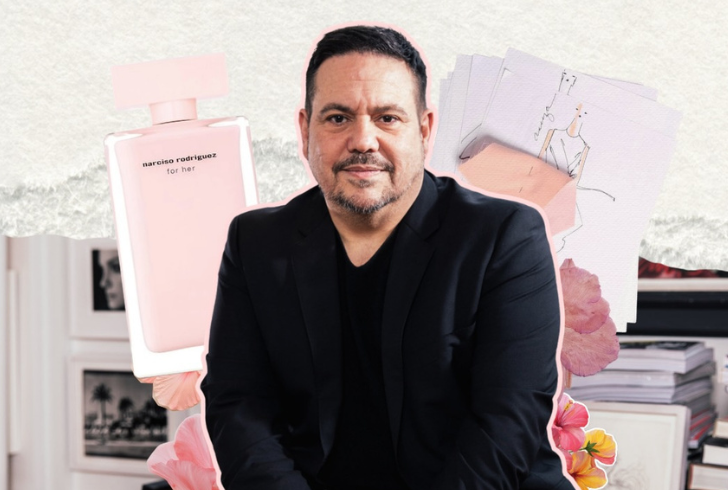
Instagram | leloynparfums | Rodriguez’s Newark roots reflect a diverse blend of Cuban, Caribbean, and European influences.
Rodriguez often credits the women in his life as the foundation of his creative direction. Their personalities and presence left a lasting impression.
“They were amazing, powerful, loud, colorful dynamos,” he once described.
Their confidence, personal style, and strong identities sparked his interest in designing clothes that highlight the wearer rather than overpower them.
One particular figure stood out during his childhood.
A woman named Concha became an early symbol of fashion influence in the neighborhood. She acted as a community matriarch who helped new arrivals from Cuba settle into life in the United States.
Her presence was impossible to ignore. She wore dramatic 1960s beehive wigs stored in elegant wig boxes. She designed her own Chanel-style suits. Gold bangles, bright lipstick, and high stilettos completed her signature look.
Whenever she entered a room, she radiated confidence and charisma. Rodriguez later described her as his first visual reference point for personal style.
Family members, including his mother and aunts, also influenced his perspective. None of them wore designer clothing. Yet they maintained a careful attention to appearance and presentation.
That pride in everyday elegance left a strong mark on the future designer.
Discovering Fashion at a Young Age
Rodriguez’s first creative interests centered on architecture and construction. Drawing and sculpting came naturally. Over time, fashion began to attract equal attention.
Watching his mother work with fabric became a turning point. A flat piece of cloth could suddenly transform into a structured garment through cutting and sewing. That process sparked curiosity.
By the age of 13, Rodriguez had already started working with fashion illustration. A job at a local tailor shop soon followed. The experience offered practical training and exposure to garment construction. At the same time, Rodriguez secretly enrolled in Saturday classes at Parsons School of Design in New York.
At first, the decision stayed hidden from his parents. Cultural expectations around masculinity made the fashion field seem unconventional for young men in his community. Despite that pressure, the passion remained clear.
Parsons recognized his ability early. The program also placed him around influential figures in the industry. Critics during that time included Donna Karan, Calvin Klein, and Oscar de la Renta.
Working on projects reviewed by these designers offered early mentorship and professional exposure.
Early Career in the Fashion Industry
After completing his studies, Rodriguez joined Donna Karan while she worked at Anne Klein. The environment encouraged experimentation and collaboration. Creative ideas moved freely between departments.
Later, Calvin Klein recruited Rodriguez to join his team. The experience brought a different energy.
Anne Klein encouraged a mix of ideas and design approaches. Calvin Klein focused heavily on image, precision, and strong brand identity.
The studio often worked alongside top photographers, stylists, and art directors. The environment functioned almost like a finishing school for young designers.
Rodriguez joined during the late 1980s, just before Calvin Klein entered a new era of marketing and cultural influence. Soon afterward, the brand became known for campaigns featuring Kate Moss and Mark Wahlberg, then widely known as “Marky Mark.”
The fashion world in 1990s New York felt vibrant and experimental. Artists, photographers, and designers gathered across the city, creating an atmosphere filled with new ideas.
Meeting Carolyn Bessette
Rodriguez met Carolyn Bessette while working in the fashion industry. Their friendship formed quickly. Both lived in the same building in New York, which naturally strengthened the connection.
Bessette possessed a style that attracted attention without seeking it. She avoided trends and focused instead on what suited her personality and body. Her wardrobe choices often reflected three clear qualities: simplicity, confidence, and authenticity.
Rodriguez often emphasized that authenticity defined her approach to fashion.
“Carolyn was so authentic in so many ways,” he said.
She trusted her instincts and ignored external pressure from magazines or industry expectations. That independence made her style memorable.
Carolyn Bessette’s Approach to Fashion
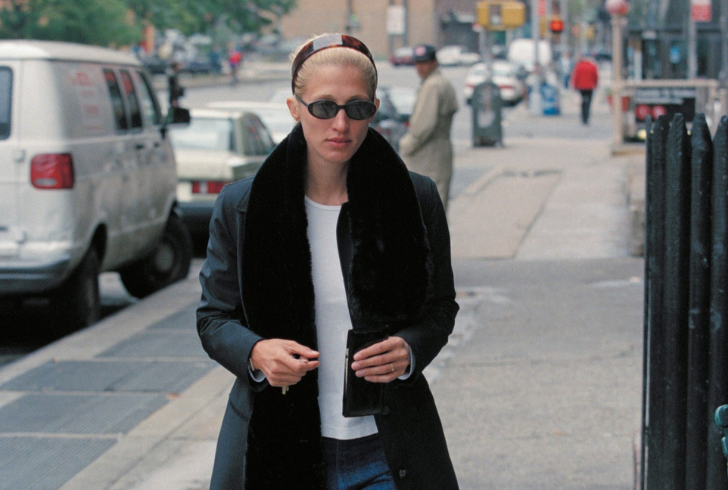
Instagram | marieclaireuk | Rather than chasing designer hype, Bessette wore what made her feel most like herself.
During the 1990s, many public figures relied on stylists and designer partnerships. Bessette followed a different path.
Her clothing choices reflected personal comfort rather than fashion trends. She understood what worked for her appearance and carried those decisions with confidence.
Rodriguez often contrasts that authenticity with modern celebrity styling.
Today, many celebrities wear clothing through sponsorship deals or coordinated styling teams. According to Rodriguez, that process removes the natural connection between a person and their wardrobe.
Bessette stood apart because every outfit felt genuine. That quality turned her into a lasting fashion icon.
Designing the Iconic Wedding Dress
The most famous moment in Rodriguez’s career arrived when Bessette asked him to design her wedding gown.
The request carried deep emotional weight. The two shared a close friendship, and the dress represented a personal collaboration rather than a commercial project.
The ceremony united Carolyn Bessette and John F. Kennedy Jr., one of the most-watched couples in American culture at the time.
Rodriguez understood her style immediately.
Heavy lace, elaborate trains, or ornate embellishments would not reflect her personality. Instead, he created a silk slip dress cut on the bias. The silhouette followed the natural shape of the body, creating a soft and fluid structure.
Key features of the gown included: bias-cut silk fabric, clean neckline, long gloves, minimal veil, and simple shoes. Each element supported the same goal: placing the focus entirely on the bride.
Rodriguez once shared a remark that Bessette made about his work.
“You create a frame for a woman’s beauty and personality to shine through.”
That philosophy guided the design.
The Design Process in Paris
Work on the dress took place in Paris while Rodriguez collaborated with the fashion house Cerruti. The process remained extremely private. Only a small group of people knew that a wedding dress was being developed.
Bessette attended fittings in Paris, where small adjustments shaped the final result. One change lowered the neckline slightly to improve the overall balance.
Rodriguez also consulted legendary designer Azzedine Alaïa during the process. Alaïa examined the prototype and suggested shifting a seam by one centimeter across the back to create a more flattering fit.
Rodriguez accepted the advice immediately. Even during those discussions, the identity of the bride remained secret.
Alaïa repeatedly asked about the client but never received an answer.
Later, when the dress appeared in newspapers and magazines, Alaïa joked by calling Rodriguez and pretending to be a customer searching for a wedding dress.
Secrecy Around the Wedding
Privacy surrounded every part of the wedding. Rodriguez ensured that no information leaked during production. Only one pattern maker worked on the garment. The fit model remained unaware of the bride’s identity.
When the gown traveled from Paris to the United States, the secrecy continued. The wedding itself occurred quietly on Cumberland Island in Georgia.
Later, rumors circulated about problems with the dress. Some reports claimed the gown did not fit correctly or that Bessette had to be sewn into it before the ceremony.
Rodriguez has repeatedly denied those stories. Photographs from the event show a perfectly tailored fit. Still, the rumors continued to circulate as part of the legend surrounding the wedding.
The Moment That Changed Rodriguez’s Career
After attending the wedding, Rodriguez returned to New York expecting a normal routine. Instead, a crowd of reporters and news trucks waited outside his apartment building. The press had discovered that he designed the dress.
The sudden attention came as a shock.
Shortly afterward, a call arrived from Anna Wintour’s office with an invitation to attend a charity event hosted by Princess Diana in Washington, D.C.
Rodriguez initially declined, explaining that he needed to return to Paris and did not even own a suitable white shirt.
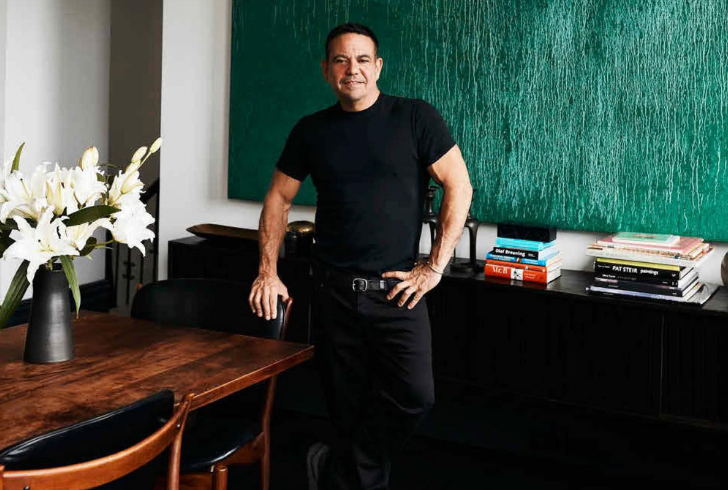
Instagram | narciso_rodriguez | Rodriguez’s quiet return to NYC was upended by a media frenzy over his wedding dress design.
The response from Wintour’s team was clear.
“It’s Princess Di and Anna Wintour. You’re going. We’ll send you a shirt.”
The event marked a surreal moment in a career that had changed almost overnight. The publicity surrounding the dress brought global attention to Rodriguez’s work in Paris and helped support the launch of his own fashion label and fragrance line.
The media attention that followed created new opportunities but also challenges. Rodriguez had always preferred working behind the scenes, and interviews and public appearances felt unfamiliar. He described himself as a private person who struggled with that level of exposure.
The experience also revealed the intense media pressure that surrounded Bessette and Kennedy, with Bessette facing an even greater level of attention as a public figure.
Historic Moments With Michelle Obama
Rodriguez later experienced another milestone when Michelle Obama wore one of his dresses on election night in 2008. That moment carried historic significance as Barack Obama became the first African American president of the United States.
Seeing the First Lady appear in his design during such a major national moment left a lasting impression.
Michelle Obama continued wearing Rodriguez’s designs during several public events, including her final appearance as First Lady. The recognition connected the designer’s work with major moments in American cultural history.
Renewed Interest Through “Love Story”
The FX series “Love Story: John F. Kennedy Jr. and Carolyn Bessette” has revived interest in the couple’s relationship and their cultural influence.
The series features actor Tonatiuh portraying Narciso Rodriguez and includes scenes leading up to the famous wedding.
The wedding dress created by Narciso Rodriguez for Carolyn Bessette-Kennedy continues to influence modern bridal fashion decades later. Its understated design challenged traditional expectations by showing that elegance does not require elaborate decoration.
The story behind the gown reflects Rodriguez’s Cuban-American upbringing, the strong women who shaped his perspective, and a friendship built on trust between designer and bride.
With renewed attention from the series, a new generation is discovering how one carefully crafted silk dress helped reshape bridal fashion and secured Narciso Rodriguez’s place in design history.