How Luxury Travel Is Redefining Eco-friendly Tourism
Luxury travel is no longer just about private villas, infinity pools, and five-star service. Travelers now expect something more meaningful from the places they visit. They want unforgettable experiences that also respect nature, protect local communities, and leave a lighter footprint behind.
That growing demand is changing the luxury hospitality industry from the inside out. Eco-friendly travel is no longer a catchy slogan printed in glossy brochures. Today, it has become a serious business commitment backed by measurable actions, independent verification, and long-term environmental planning.
Travelers have become much more informed over the past few years. They ask tougher questions before booking expensive vacations. They want to know how hotels reduce waste, where food comes from, how energy is managed, and what happens behind the scenes after guests check in.
Luxury brands have noticed this shift. Instead of making broad environmental claims, many are investing in projects that produce real results. The focus has moved from looking green to proving it through everyday operations.
Verified Sustainability Is Replacing ‘Greenwashing’

Free Stock / Pexels / For years, many hotels promoted themselves as eco-friendly without offering much evidence. That trend is changing now!
Small changes, such as asking guests to reuse towels, often became the centerpiece of large marketing campaigns. Travelers have grown skeptical of those claims and now expect proof instead of promises.
Independent certifications have become one of the strongest ways to build trust. These certifications require hotels to meet strict environmental, social, and economic standards through regular inspections. They also require ongoing improvements instead of one-time achievements.
A strong example is the Hilton Hotel Tahiti in French Polynesia, which earned the respected Green Globe Certification in 2026. The certification recognizes hotels that meet detailed sustainability standards across every part of their operations. It also requires continuous audits to ensure those standards remain in place over time.
For luxury hotels, earning certifications like Green Globe is becoming much more than a badge of honor. It shows travelers that sustainability is part of the property’s daily operations instead of a temporary marketing effort. That credibility matters more than ever in a competitive travel market.
Guests are paying attention to those details before making reservations. Many now compare environmental certifications alongside room rates, amenities, and guest reviews. Sustainability has become another sign of quality rather than an optional bonus.
Luxury Resorts are Protecting Nature
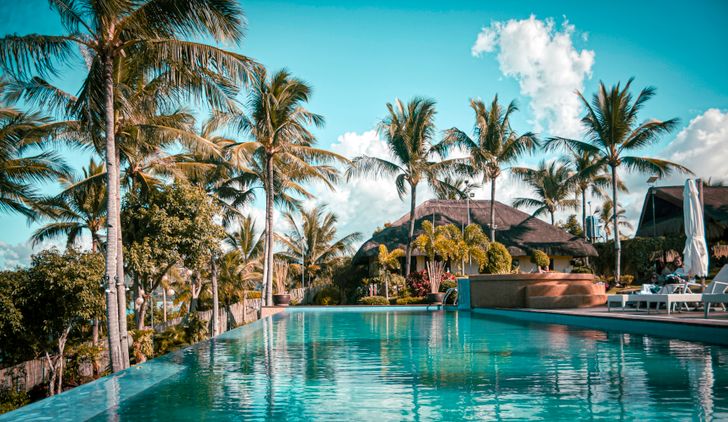
Cesesc / Pexels / Reducing electricity use and cutting waste remain important goals. Still, many luxury resorts are now expanding their efforts beyond those basic steps.
They are investing directly in the ecosystems that surround them.
This broader approach is especially important in destinations that depend on healthy natural environments. Tropical islands, coral reefs, rainforests, and wildlife reserves all face growing environmental pressure from climate change and tourism. Hotels operating in these areas are beginning to play a much bigger role in protecting those landscapes.
Hilton Hotel Tahiti offers a clear example of this new direction. The resort has partnered with marine conservation organization OceanIA to support the protection of French Polynesia’s marine ecosystems. The project includes AI-powered monitoring systems, solar-powered ocean observation platforms, and educational programs that introduce guests to local marine life.
Instead of simply reducing environmental harm, the hotel actively contributes to scientific research and conservation work. That creates a stronger connection between visitors and the destination they came to enjoy. Guests leave with a better understanding of why protecting these ecosystems matters.
Luxury travel is slowly becoming part of the conservation solution instead of adding pressure to fragile environments. That change reflects a much deeper commitment than many travelers have seen in the past.
Environmental protection is only one part of responsible tourism. Strong local communities also play a vital role in creating memorable travel experiences. More luxury hotels now recognize that supporting nearby businesses and residents is just as important as reducing waste.