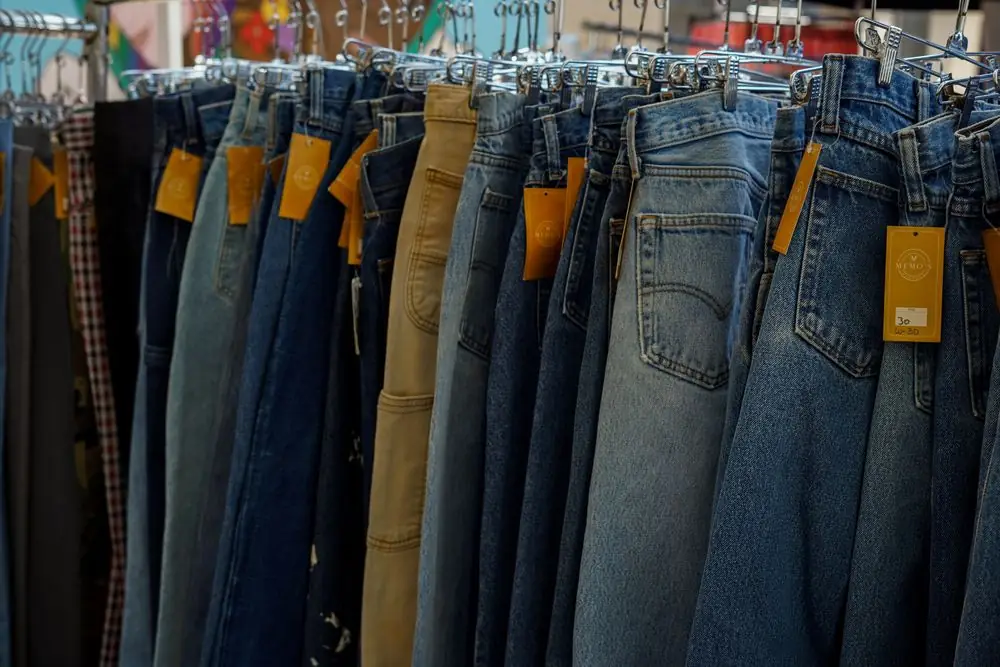
Walk into almost any clothing store today, and you will likely see jeans labeled as “sustainable,” “eco-friendly,” or “responsibly made.” The message is clear. Fashion brands want shoppers to believe they are making greener choices with every purchase.
The problem is that many of these claims are not as straightforward as they appear. Behind the marketing language lies a complicated reality involving water use, chemical pollution, synthetic fibers, and supply chains that stretch across multiple countries.
Experts, consumer watchdogs, and environmental groups are increasingly questioning the fashion industry’s sustainability promises. While some brands are making genuine improvements, others are being accused of exaggerating minor changes and presenting them as major environmental victories.
As a result, shoppers are left asking a simple question: Are sustainable jeans actually sustainable?
The Hidden Environmental Cost of a Pair of Jeans

Cotton farming has long been associated with heavy water use and significant pesticide application. Although some of the most dramatic water consumption figures have been challenged in recent years, cotton production still places a substantial burden on natural resources.
In fact, some analyses suggest that cotton cultivation accounts for the overwhelming majority of water consumption throughout a jean’s life cycle. Before fabric even reaches a factory, vast amounts of water may already have been used to grow the raw material.
The environmental challenges do not end there. Once cotton is harvested, it must be processed, spun, dyed, and finished. Each stage requires energy, chemicals, and additional water.
The familiar blue color consumers associate with denim comes from indigo dyeing processes that can generate significant wastewater. Popular distressed and faded looks often require extra treatments that increase environmental impacts even further.
Many factories have adopted cleaner technologies in recent years. However, improvements remain uneven across the industry. Some manufacturers have modernized operations, while others continue using resource-intensive methods. This creates a major challenge for consumers. Two pairs of jeans may appear identical on a store shelf, yet their environmental footprints can differ dramatically.
The ‘Recycled Material’ Claim Comes With Complications
One of the most common sustainability claims involves recycled materials. Brands often highlight denim products containing recycled polyester made from plastic bottles.
At first glance, this sounds like a positive development. Turning discarded plastic into clothing appears to reduce waste while conserving resources.
The reality is more complicated. Recent research has raised concerns about garments made from recycled polyester. Studies suggest these materials may shed more microplastic fibers during washing than products made from virgin polyester. Those tiny plastic particles can pass through wastewater treatment systems and enter rivers, lakes, and oceans. Once released into the environment, microplastics can affect aquatic ecosystems and potentially enter the food chain.
The issue creates an uncomfortable contradiction. A product marketed as environmentally responsible may contribute to another form of pollution throughout its lifespan.
Critics also argue that converting plastic bottles into clothing creates a different problem. Plastic bottles can often be recycled into new bottles, supporting a more circular system. When those bottles are transformed into textiles instead, they become harder to recycle at the end of their useful life. In many cases, the material eventually ends up as waste rather than being reused again.
‘Greenwashing’ Remains a Major Problem
Terms such as “green,” “conscious,” “eco-friendly,” and “sustainable” often sound reassuring. Yet many of these labels lack precise definitions and can be used in ways that create confusion.
Consumer protection authorities around the world have increasingly warned companies about vague environmental marketing. Regulators argue that broad claims require strong evidence, especially when brands present products as environmentally superior.
Many companies highlight a single improvement while saying little about the rest of their operations. A brand may promote a collection made with organic cotton, even if that collection represents only a small fraction of total production.