Vintage reselling is not dead, despite what frustrated sellers on social media might claim. People still want old Levi’s, faded band tees, rare sportswear, designer archives, and jackets that nobody else at the party owns. The global secondhand apparel market could reach $393 billion by 2030, with growth expected to outpace the wider fashion industry.
So, why does vintage reselling suddenly feel much harder? The answer has less to do with disappearing demand and more to do with competition, rising prices, limited stock, and a market that has become far more professional.
The old formula was wonderfully simple. Search thrift stores, find something undervalued, list it online, and collect the difference. That formula still works sometimes, but building a reliable business around random lucky finds has become much tougher.
Everyone Wants the Same Vintage Clothes Now
That limited supply now faces huge demand. Younger shoppers have embraced secondhand clothing for its style, individuality, nostalgia, and potential environmental benefits, putting more people in competition for the same desirable pieces.
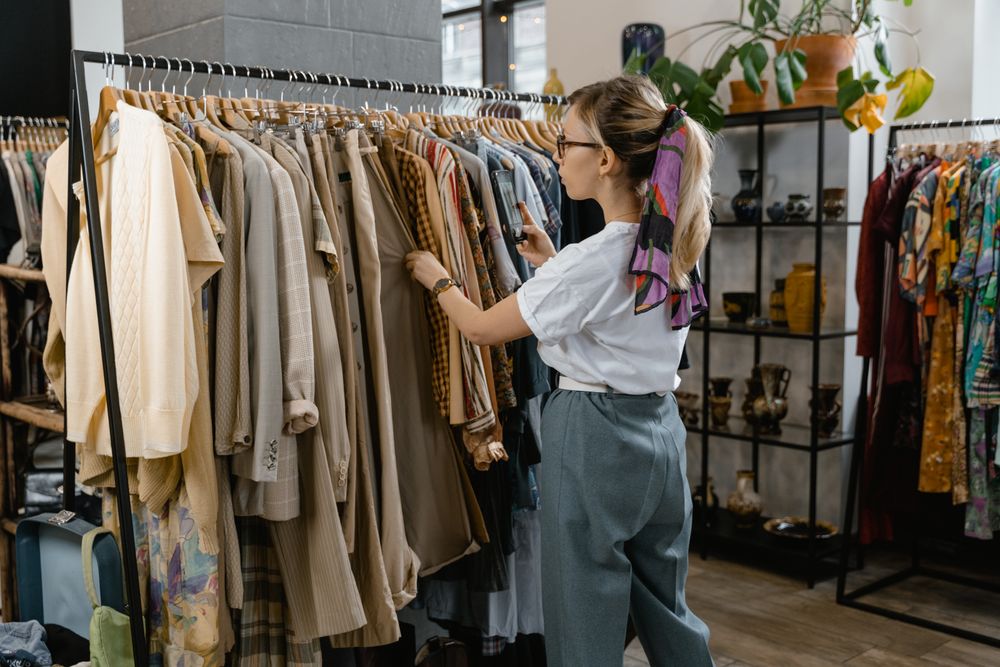
The crowded market has changed thrift shopping at ground level. A reseller who once filled a cart with overlooked gems may now arrive to find several other shoppers scanning labels, checking prices, and researching recent sales on their phones.
Professional sellers have also entered spaces once dominated by casual thrifters. Some resellers have access to wholesalers, private suppliers, warehouse sales, industry contacts, and enough cash to buy hundreds of garments at once.
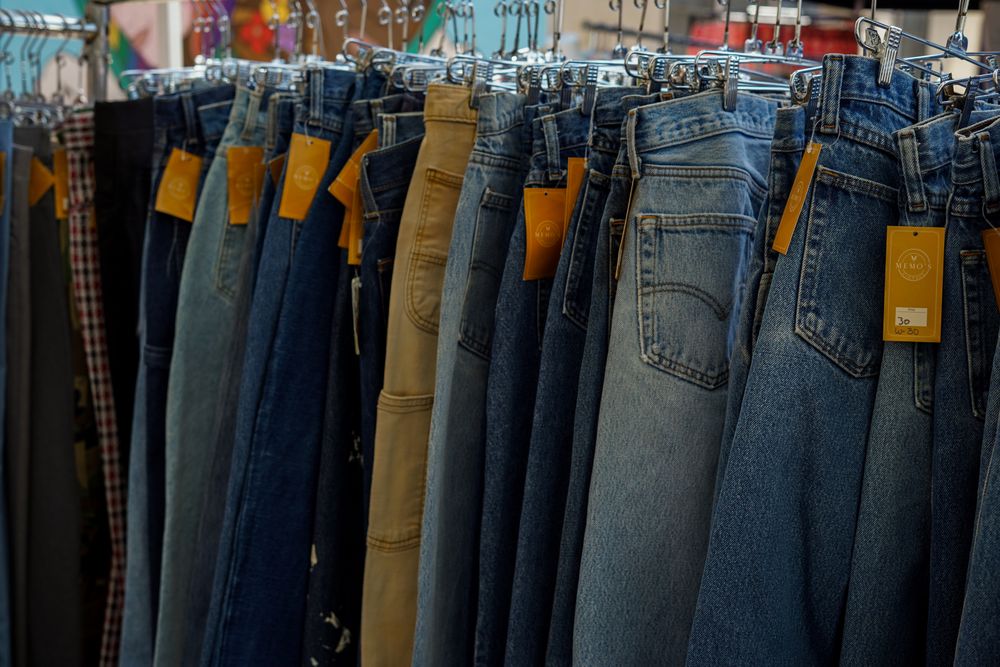
Goodwill has faced plenty of criticism from buyers who believe some secondhand goods now carry surprisingly high prices. The frustration has even inspired the mocking nickname “Greedwill” among critics who miss cheaper thrift store finds. Higher sourcing costs create a basic business problem. A seller buying a jacket for $10 has room for platform fees, shipping supplies, discounts, and profit. Buying that same jacket for $35 creates a much tighter calculation.
Vintage Shopping Has Become More Calculated
The change affects shoppers too. Vintage hunting once centered heavily on digging through crowded racks and stumbling across something incredible for a price that felt almost ridiculous. That experience has not disappeared completely, but more valuable stock now travels through curated stores, professional resellers, online marketplaces, wholesalers, and specialized showrooms.
Every person in that chain needs a margin, and the final customer often pays for it. A faded shirt can now receive professional photography, detailed measurements, historical context, careful styling, and a carefully researched price before appearing online.
Social media has accelerated that transformation. A forgotten brand, specific graphic, unusual jacket, or celebrity-worn style can suddenly attract attention, sending buyers and sellers searching for similar items almost overnight.
That speed makes obvious trends difficult for resellers to chase. Once thousands of people know a particular style is valuable, the best buying opportunity may have already disappeared because sellers and thrift stores can quickly adjust their prices.
Successful Resellers Now Run Real Businesses
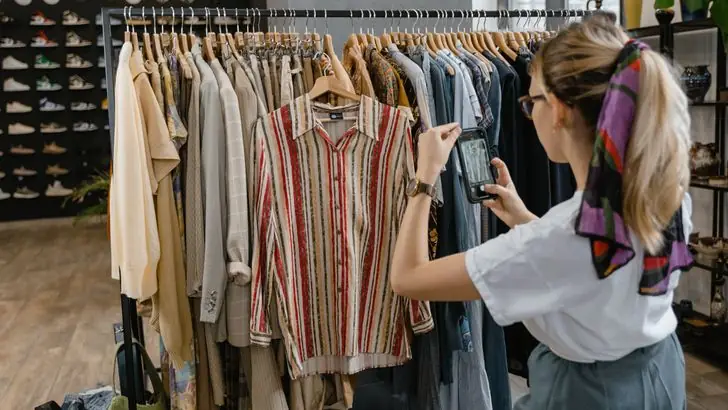
Inventory management, platform knowledge, photography, pricing, shipping, customer service, trend research, and cash flow all affect the final profit. Experienced sellers often avoid treating Depop, Poshmark, Vinted, and other marketplaces as identical storefronts because each attracts different buyers and performs better with certain products and price ranges.
A desirable jacket or hoodie might produce a stronger margin on Depop, while mainstream sportswear could perform better elsewhere. Lower-value inventory may need a faster-moving marketplace where sellers can clear stock and recover cash.