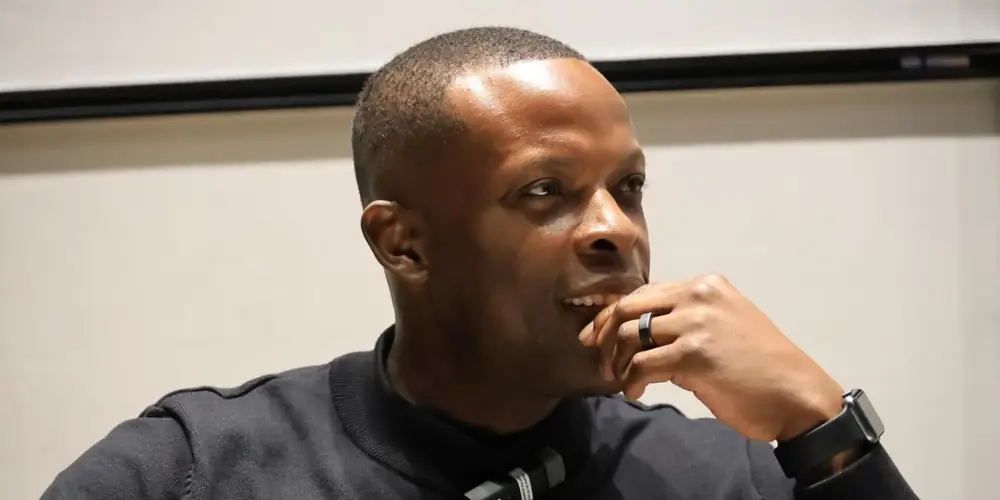
When representation meets passion, the impact can last a lifetime. For former Manchester City defender Nedum Onuoha, watching Black players wear the sky-blue kit as a boy growing up in Miles Platting meant more than just football—it spoke to identity, pride, and a sense of place.
As a child in the 1990s, he drew confidence from seeing faces like his own on the pitch. They made the idea of success in football seem possible for someone like him.
The Power of Representation in Football
Representation has always been a quiet force in sport, and Onuoha’s experience shows its reach. Born in Nigeria and raised in Manchester, he admired players like Marc-Vivien Foé, George Weah, and Shaun Wright-Phillips—not only for their skill but for what they represented: opportunity and visibility for young Black players.
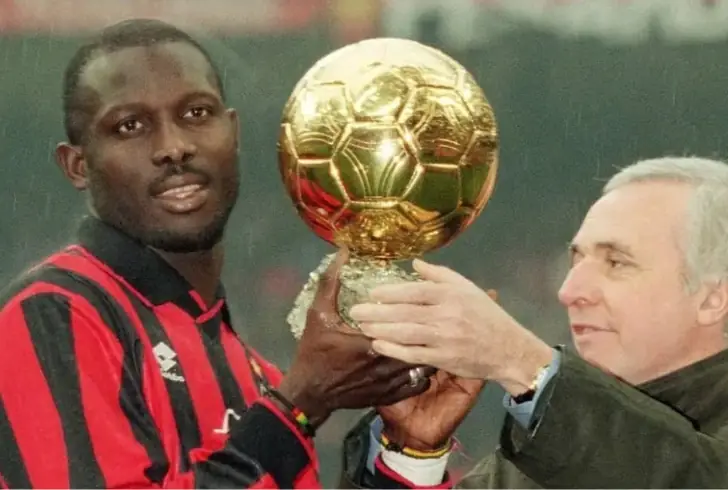
Marc-Vivien Foé, a proud West African and Manchester City midfielder, carried the hopes of many before his untimely passing in 2003 while representing Cameroon.
George Weah, a Liberian Ballon d’Or winner, brought global prestige to City, showing that greatness had no boundaries.
Shaun Wright-Phillips, quick-footed and determined, became the link between inspiration and reality—someone Onuoha would later share the pitch with on 42 occasions.
For a young fan in the stands, those moments mattered deeply. “The players that stuck out to me were the ones who looked like me,” Onuoha reflected, realizing later how much that visibility shaped his journey.
Celebrating Black History Through Poetry
writer Lemn Sissay OBE to create “The Stadium Speaks,” a powerful poem celebrating the Black players and figures who shaped the club’s story. Sissay’s words echo the struggles, resilience, and triumphs that helped define Manchester City, reminding everyone that football’s heartbeat lies in its community as much as its competition.
During Black History Month, Onuoha sat down with Sissay for a heartfelt discussion—one that looked back at the journey of representation in football while recognizing how far it’s come.
Inspiration Beyond the Men’s Game
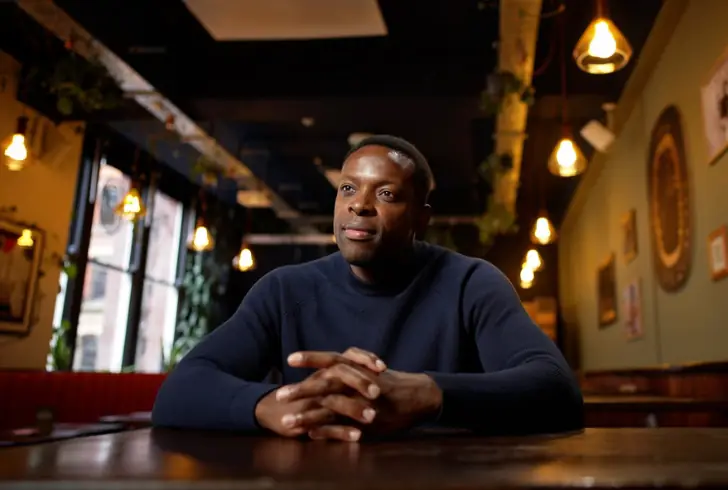
Onuoha also highlighted how inspiration in football isn’t confined to the men’s game. He reflected on the England women’s team’s European Championship triumph, noting how it captivated up to 17 million households and inspired fans of every age and background across the country.
Children everywhere—especially young girls—saw themselves on that screen. “My daughters and son were captivated watching history unfold,” Onuoha said. “Now, my daughters’ teammates are saying, ‘I want to do that. I dream of doing that.’”
The faces of that women’s team reflect the game’s growing diversity, with talents like Lauren James, Michelle Agyemang, and City’s own Alex Greenwood showing that football’s future is brighter and more inclusive than ever.
The Enduring Legacy of Representation
Representation in sport goes deeper than goals and victories—it shapes what young people dare to believe. For Onuoha, seeing Black footballers wear Manchester City’s shirt was more than inspiration; it was validation. It told him he belonged in the story, too.
Those players’ courage still echoes through the game, showing that presence matters just as much as performance. From Foé and Weah to Wright-Phillips and today’s rising stars, their influence continues to open doors.
In honoring its pioneers, Manchester City reinforces a timeless truth: football is everyone’s game, and every face, every journey, deserves to be seen.