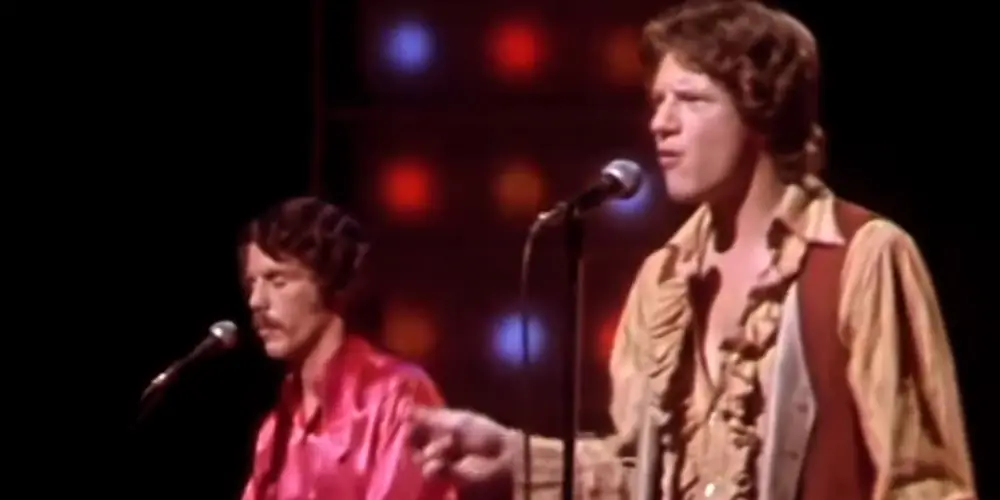
Few songs project pure calm quite like “Dancing in the Moonlight.” The lyrics describe a world where people feel “warm and bright,” nobody barks or bites, and conflict never enters the room. Nightfall becomes an invitation to gather, sway, and enjoy simple togetherness. On the surface, the song sounds almost unreal in its optimism, a polished slice of pop comfort that feels untouched by hardship.
That mood makes the origin story even more unexpected.
“Dancing in the Moonlight” paints a social scene free of tension. The people in the song never fight, never argue, and never disrupt the harmony. The setting feels intentionally gentle, almost idealized. That sense of safety stands in sharp contrast to the experience that inspired it.
Rather than reflecting an easy chapter of life, the song came from a moment shaped by violence.
The 1969 St. Croix Attack
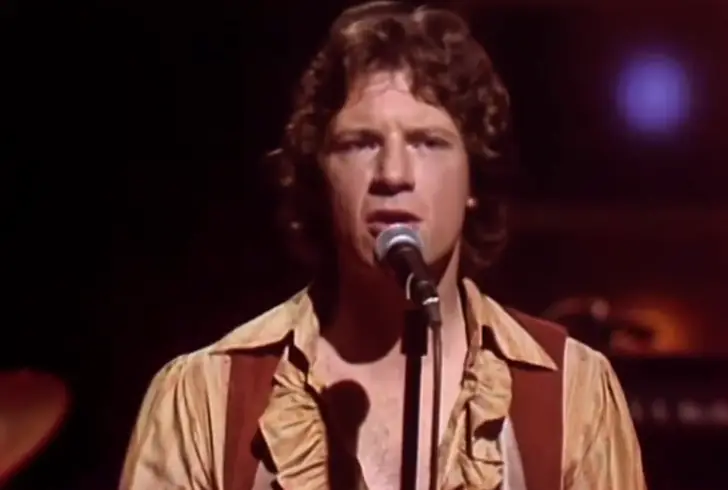
Sherman Kelly, the songwriter behind “Dancing in the Moonlight,” revealed years later that the song grew out of a traumatic event. While traveling in St. Croix in 1969, Kelly was attacked by a gang. He later wrote:
“On a trip to St. Croix in 1969, I was the first victim of a vicious St. Croix gang who eventually murdered eight American tourists. At that time, I suffered multiple facial fractures and wounds and was left for dead.”
The incident left lasting physical damage and could have easily defined the tone of his creative work. Instead, Kelly chose a different direction.
Writing Toward an Alternate Reality
During recovery, Kelly began writing as a way to mentally step away from what had happened. He described the process clearly:
“While I was recovering, I wrote ‘Dancin in the Moonlight,’ in which I envisioned an alternate reality, the dream of a peaceful and joyful celebration of life.”
The song became a deliberate contrast to real-world cruelty. Rather than documenting pain, it imagined a place where kindness ruled and shared joy felt normal. That choice shaped the song’s lasting appeal.
Early Recordings and a Delayed Hit
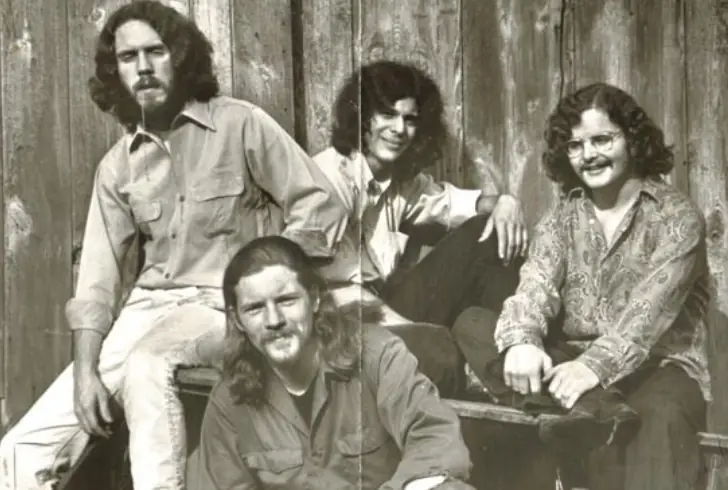
The song’s path to success moved slowly and took several turns.
Kelly first recorded “Dancing in the Moonlight” with his band Boffalongo in 1970.
That same year, a group called High Broom released the track as a single.
Two years later, King Harvest recorded their version.
Ironically, King Harvest disbanded before the song gained major traction. Even so, their recording became the version most listeners recognize. The timing may have been messy, yet the song’s reach kept expanding.
Covers, Pop Culture, and Lasting Reach
“Dancing in the Moonlight” reached new listeners through later interpretations, with Toploader’s 2000 cover standing out as a major revival. That version helped reintroduce the song to younger audiences and later gained added recognition through its use in “Umbrella Academy,” where it underscored a scene centered on calm and emotional release.
The song’s journey ties an act of extreme violence to a piece of music now linked with ease and unity. That sharp contrast helps explain its lasting appeal. The lyrics were shaped by a conscious decision to picture a kinder world, not by comfort or ease, but by recovery and reflection.
“Dancing in the Moonlight” shows that soft, uplifting music can emerge from painful experiences. Written after a 1969 attack and carried forward by several artists, the song continues to resonate because its optimism feels intentional and grounded, not shallow. That balance is what keeps it meaningful decades later.