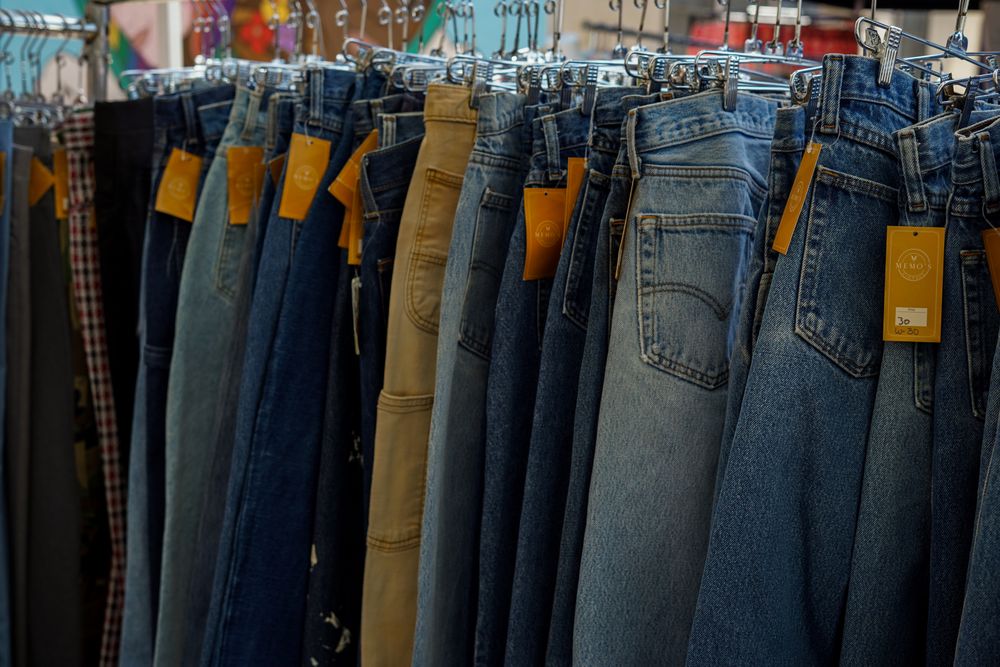
Sheep wool, long eclipsed by synthetic fabrics, is making a steady comeback. After years of declining interest, the material that once defined clothing and textiles is regaining value. Recent sales have shown the sharpest price increases seen in over a decade.
A Historic Decline and Current Recovery
During the 1970s and ’80s, the wool industry was hit hard as synthetic fibers took over wardrobes and furniture. Once a profitable commodity, raw wool steadily lost its shine. By the early 2020s, prices had fallen below 75p per kilogram — a far cry from the £14 it fetched in the 1950s.
For many sheep farmers, the economics simply stopped working. Some resorted to burning unsellable fleeces, unable to justify the cost of shearing and transportation. The return often didn’t even cover the labor.
Recent Market Trends
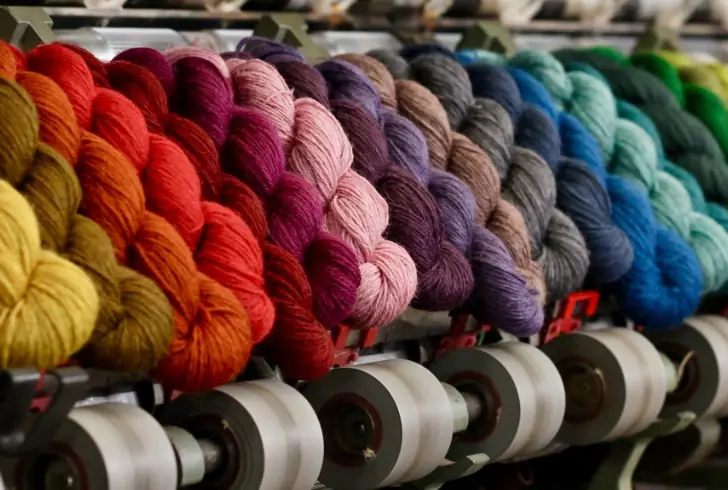
Market reports now show a welcome shift. Graded wool prices have climbed almost 20% year-on-year, from roughly £1 to £1.18 per kilogram. Overseas markets, including New Zealand, are seeing similar gains.
Experts attribute this rebound to a few key trends:
- Shrinking global sheep populations are reducing supply.
- Rising consumer interest in natural, sustainable fabrics.
- Increased competition from international buyers, particularly from China.
Billy Hewitson, head of operations at British Wool, highlights the changing landscape: “The wool industry has been through some tough times, there’s no getting away from that, but the future is looking rosy. We have manufacturers from across the world bidding at our sales, and this trend of increasing prices is continuing.”
Scottish Farmers Reap Benefits
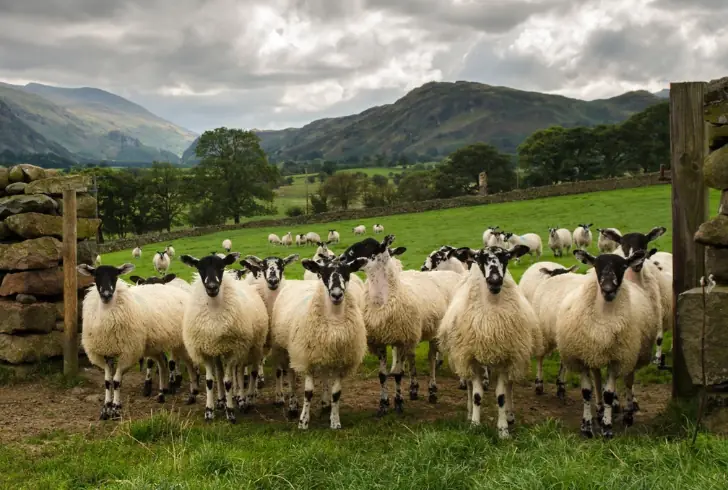
Jim Robertson, chairman of British Wool and a farmer near Langholm, manages a flock of 950 Cheviots, spending over £2,000 annually on shearing. He notes that the rise in wool prices is finally allowing farmers to recover costs while also highlighting the value of wearing natural wool.
“When you wear wool, you know you have something special on your back,” Robertson explains. “Fleeces are no longer a throwaway product. Covering the cost of shearing is a major step forward, and the trend looks set to continue.”
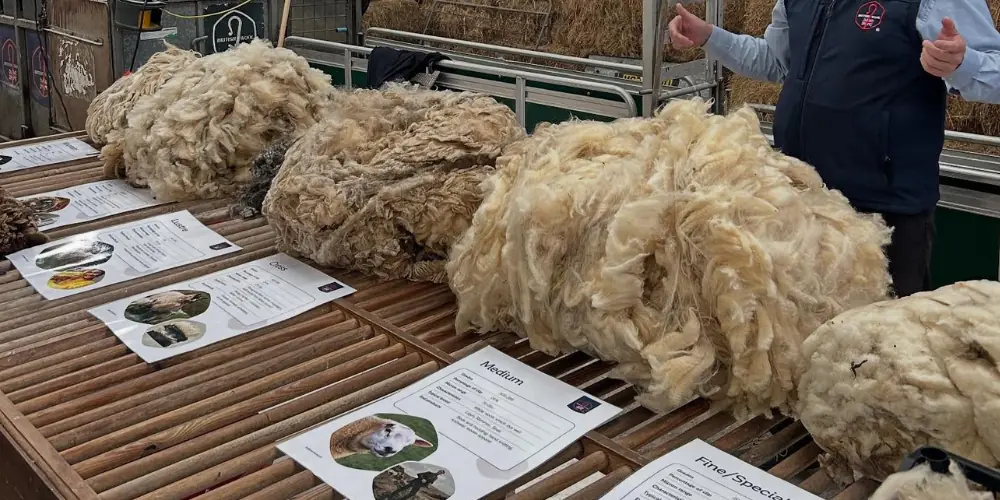
Once fleeces are sheared, they’re sorted and graded at depots such as Selkirk to ensure high quality before being sold to international buyers. British Wool maintains an extensive system of depots across the UK — in Scotland, England, Wales, and Northern Ireland — connecting and supporting about 30,000 sheep farmers.
Wool’s Growing Relevance
The comeback of wool is no coincidence. Growing environmental awareness has shifted consumer preferences toward natural, renewable fibers.
Andrew Hogley, chief executive of British Wool, notes, “British wool isn’t just part of our heritage — it’s a material for the future, finding new importance as sustainability becomes a global priority.”
What was once seen as an old-fashioned commodity is now being reimagined as a premium, eco-friendly fiber valued by both designers and consumers.
Outlook for the Industry
Industry analysts describe the current moment as a genuine resurgence. Prices continue to strengthen, overseas demand is up, and eco-focused design trends are keeping momentum strong.
Through consistent grading standards and global market access, many UK farmers are finally seeing their work pay off. If current conditions hold, wool could soon reclaim a central place in textiles, balancing financial stability for producers with sustainable choices for buyers.